Yellowstone
The Land in Motion
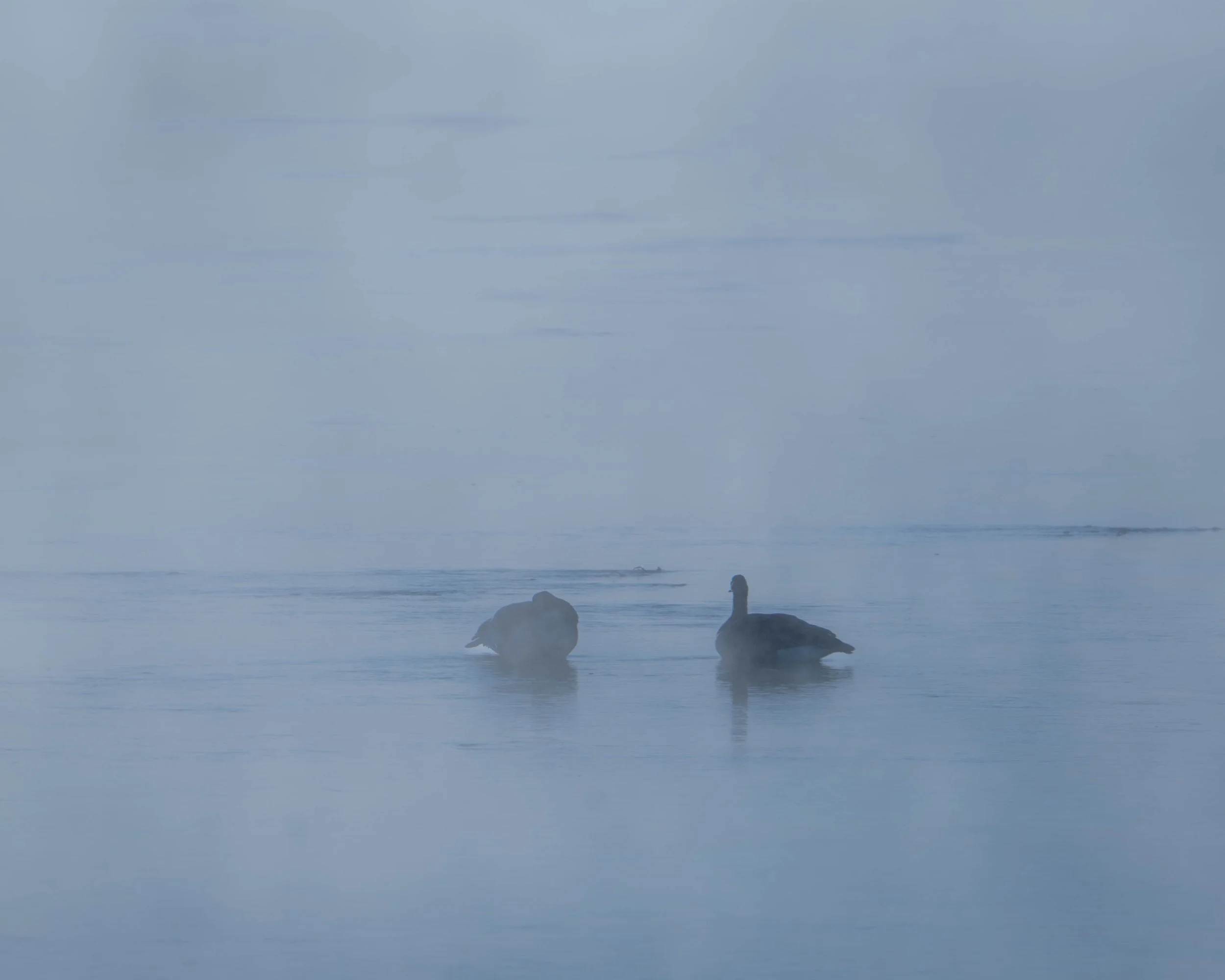
The Breath of the Earth
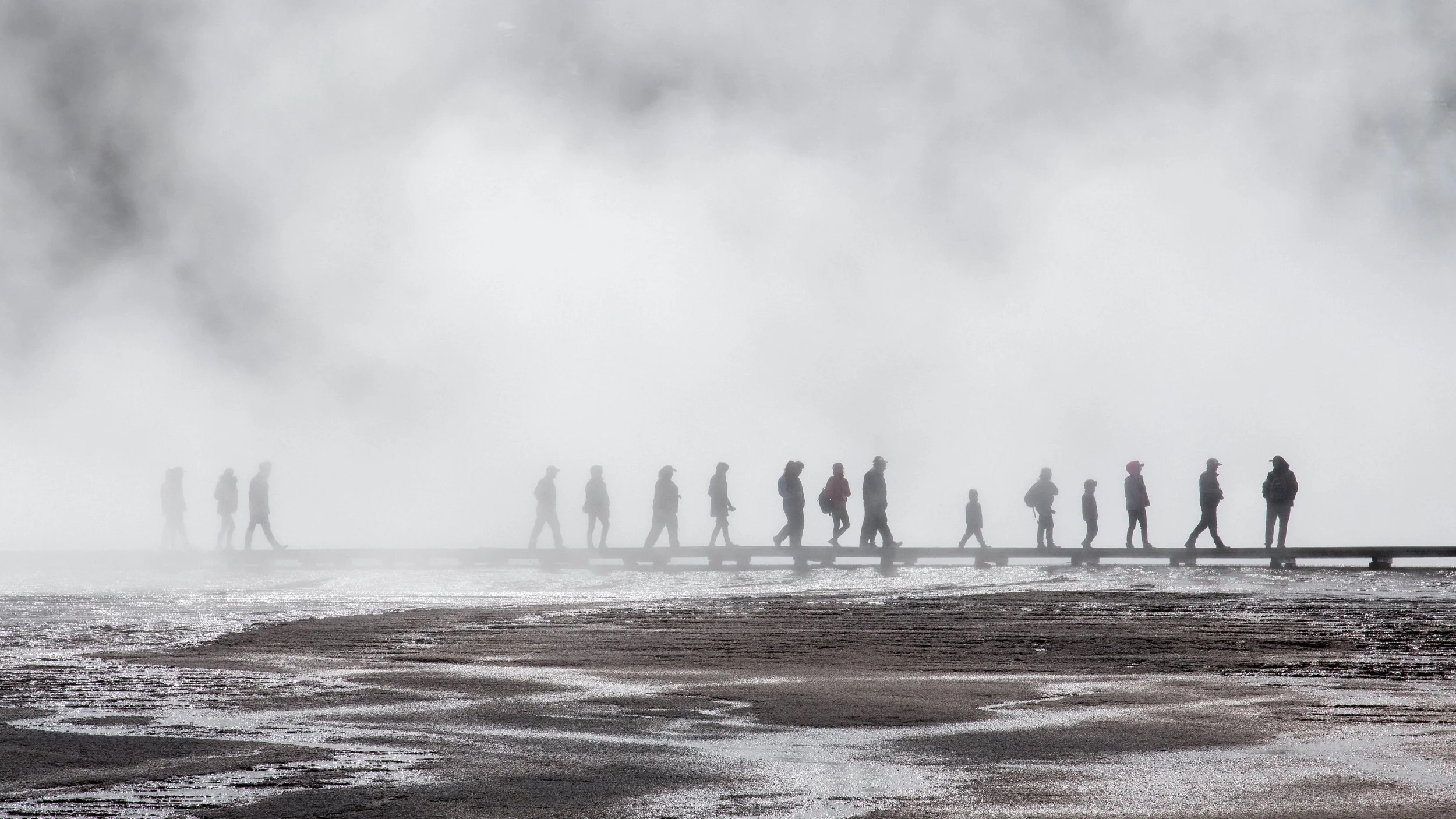
Yellowstone is not shaped by silence or stillness.
It is shaped by pressure, heat, and release.
Beneath its crust, water is pulled into darkness, heated beyond boiling, and forced back to the surface — again and again, without pause. What rises is not only steam, but a visible trace of the planet’s inner motion.
Here, the ground exhales.
Geysers erupt, pools breathe, bacteria paint the surface with color, and the air itself seems to move as if the earth was alive.
This chapter is not about landscape alone.
It is about a living system in constant exchange — where what we see is only the surface of something far deeper, older, and endlessly moving.
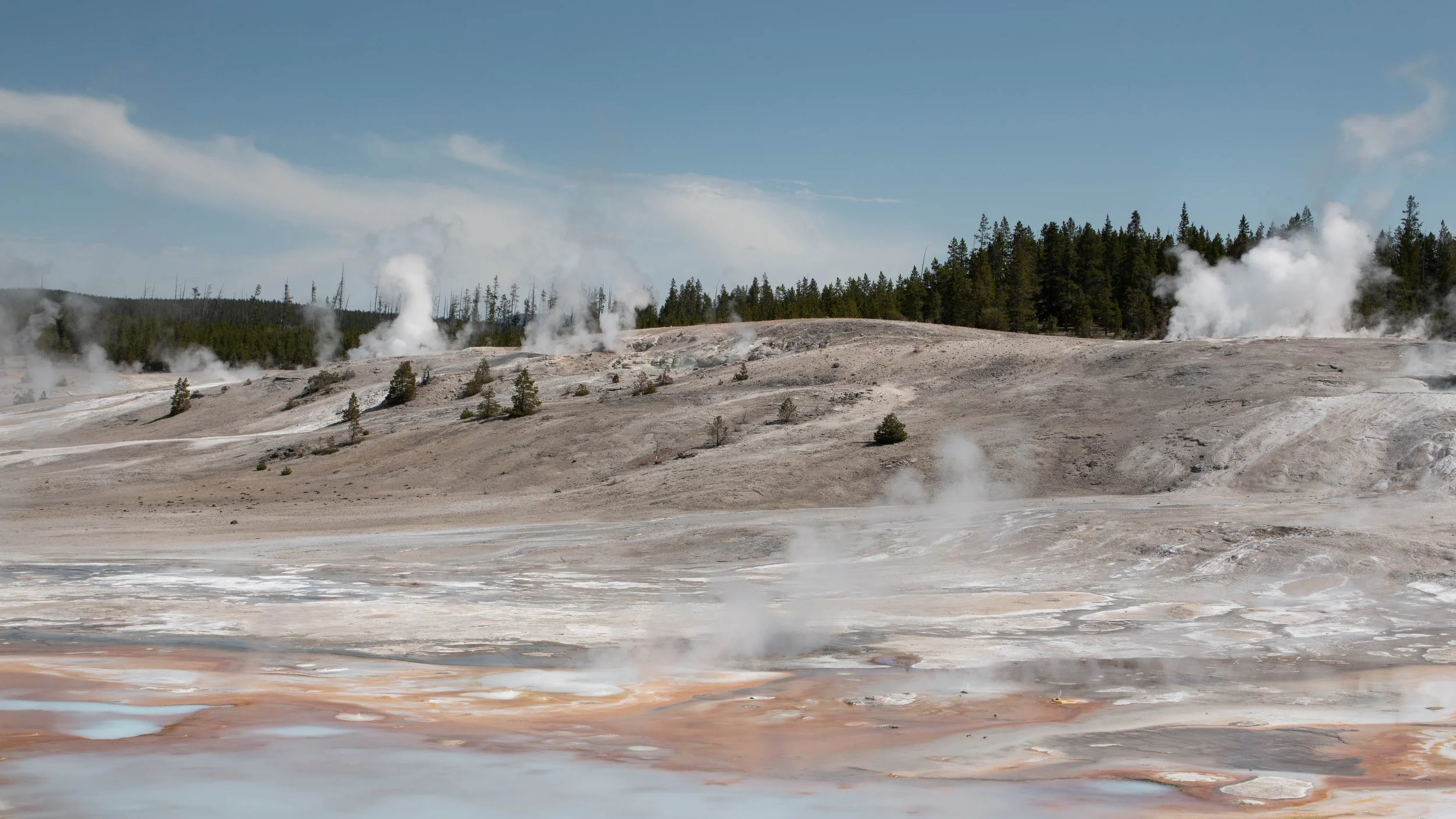
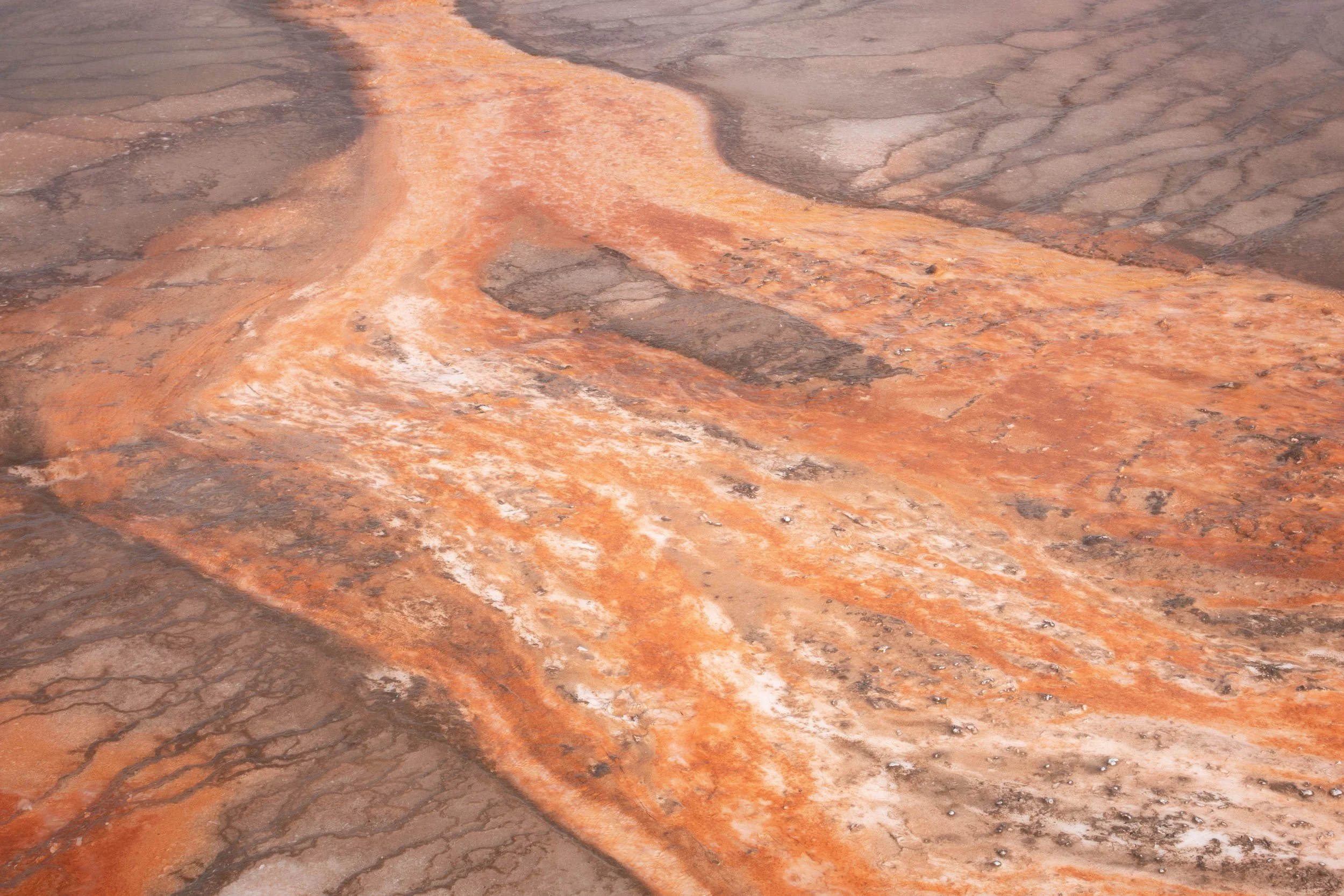
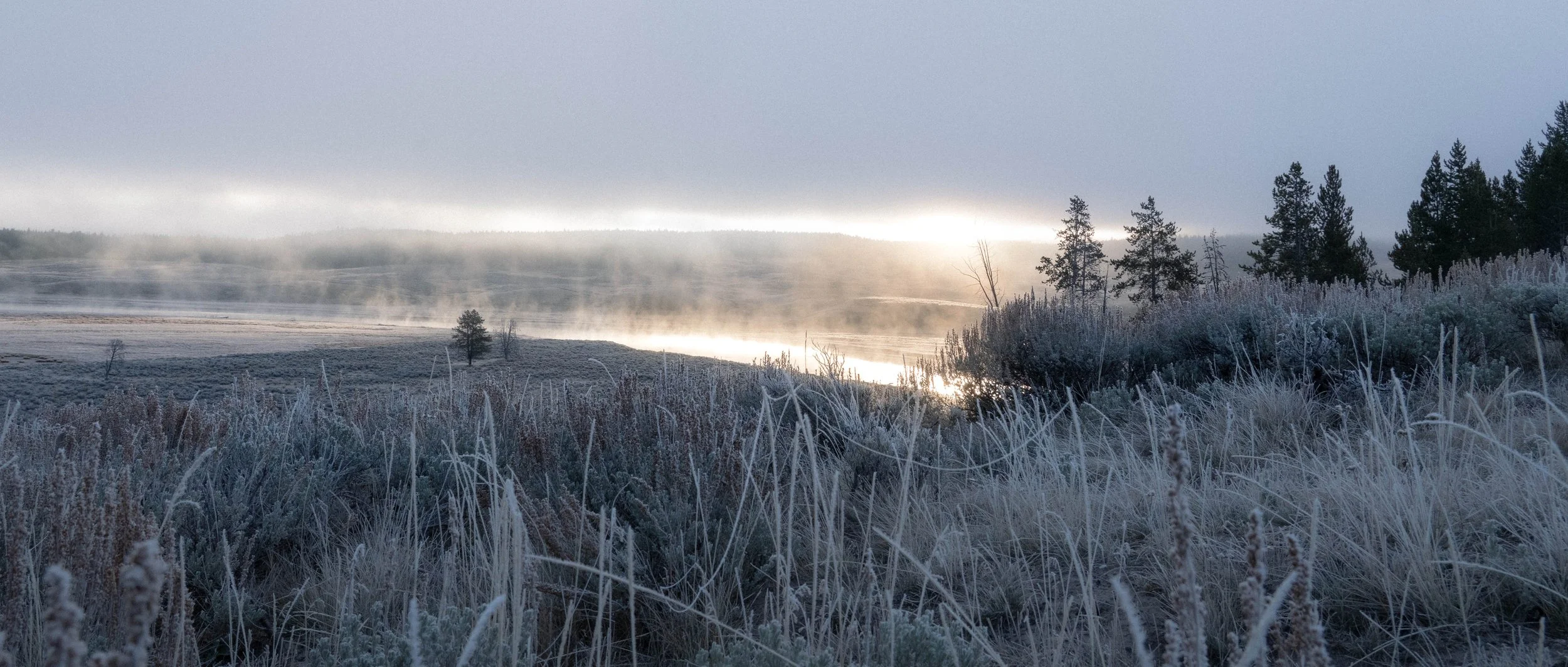
The surface appears calm, almost motionless.
Yet everything here is the result of movement — slow, persistent, and unstoppable. Heat rises invisibly, carrying minerals outward, shaping the ground without sound or force.
What we see are only traces of that process. Colors settle where the water cools, lines form where it changes direction, textures emerge where flow becomes boundary. Nothing here is accidental, and nothing is still.
This is not a moment captured, but a process revealed. A quiet reminder that even in apparent stillness, the earth is working — circulating, transforming, recording its own inner motion at the surface.
Open Ground
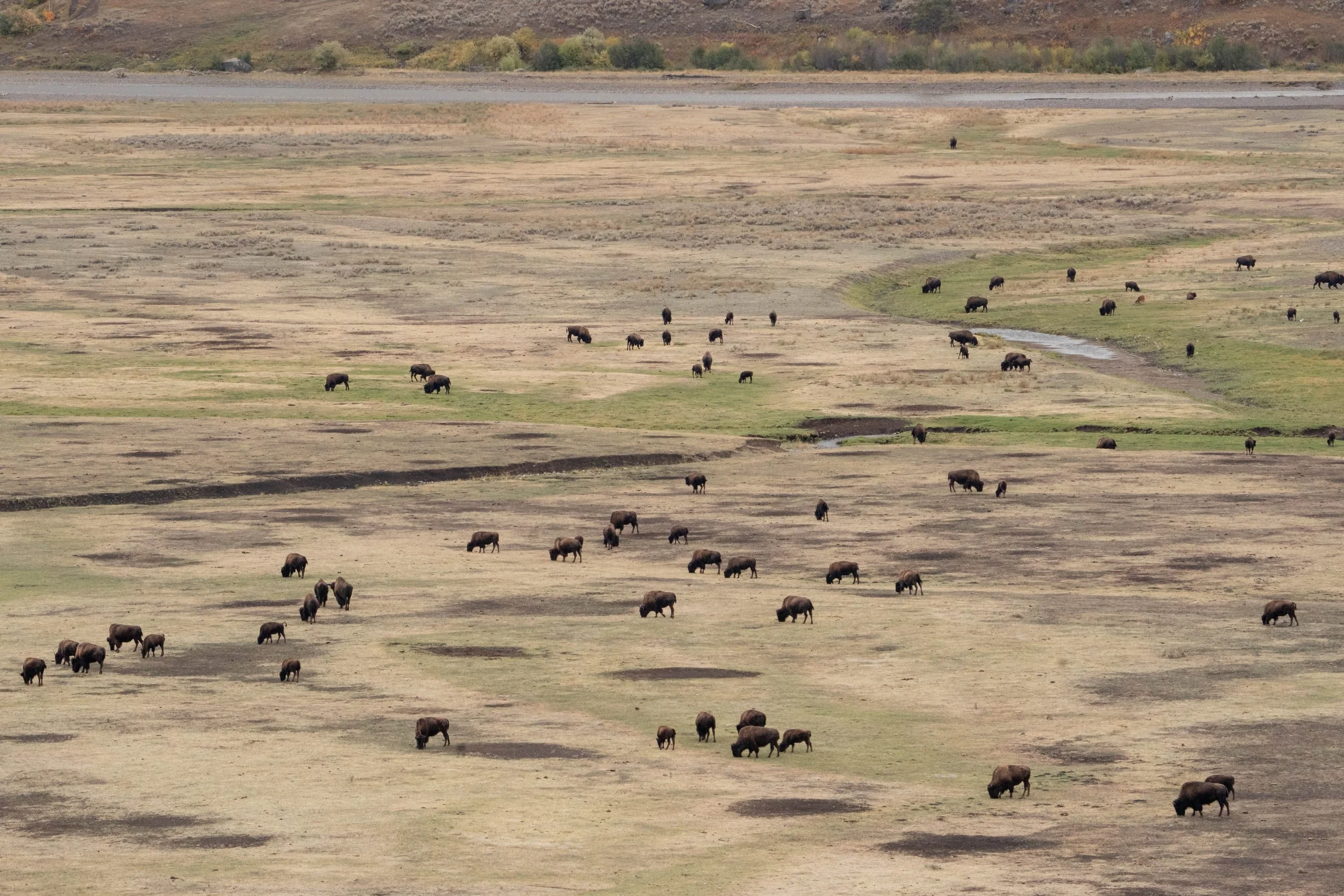
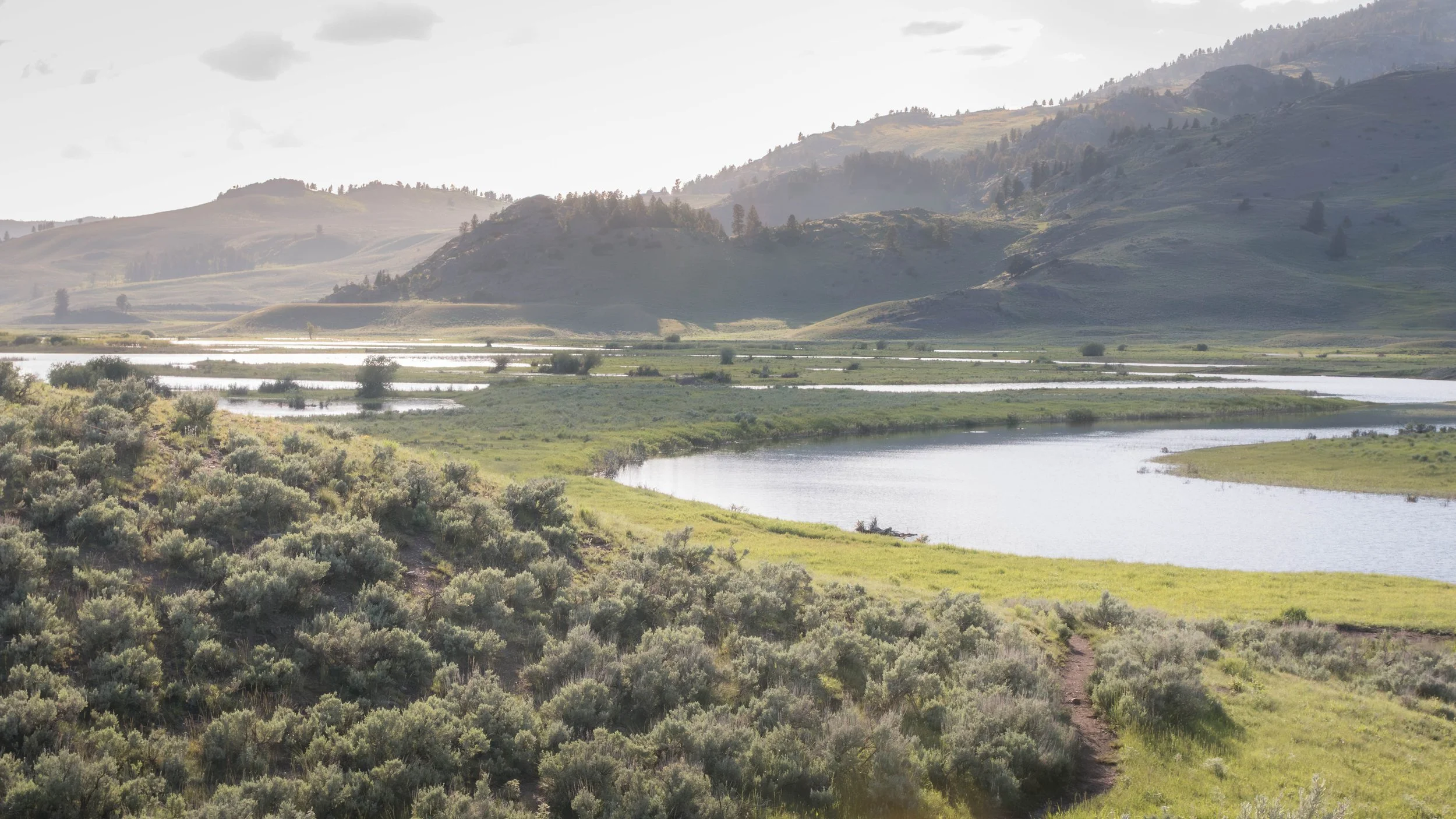
After the breath comes space. The land opens, and distance becomes part of the experience.
Here, nothing presses forward. Rivers take their time. Hills unfold. The horizon does not promise action — only width.
This is the body of the earth at rest. Not empty, but unhurried.
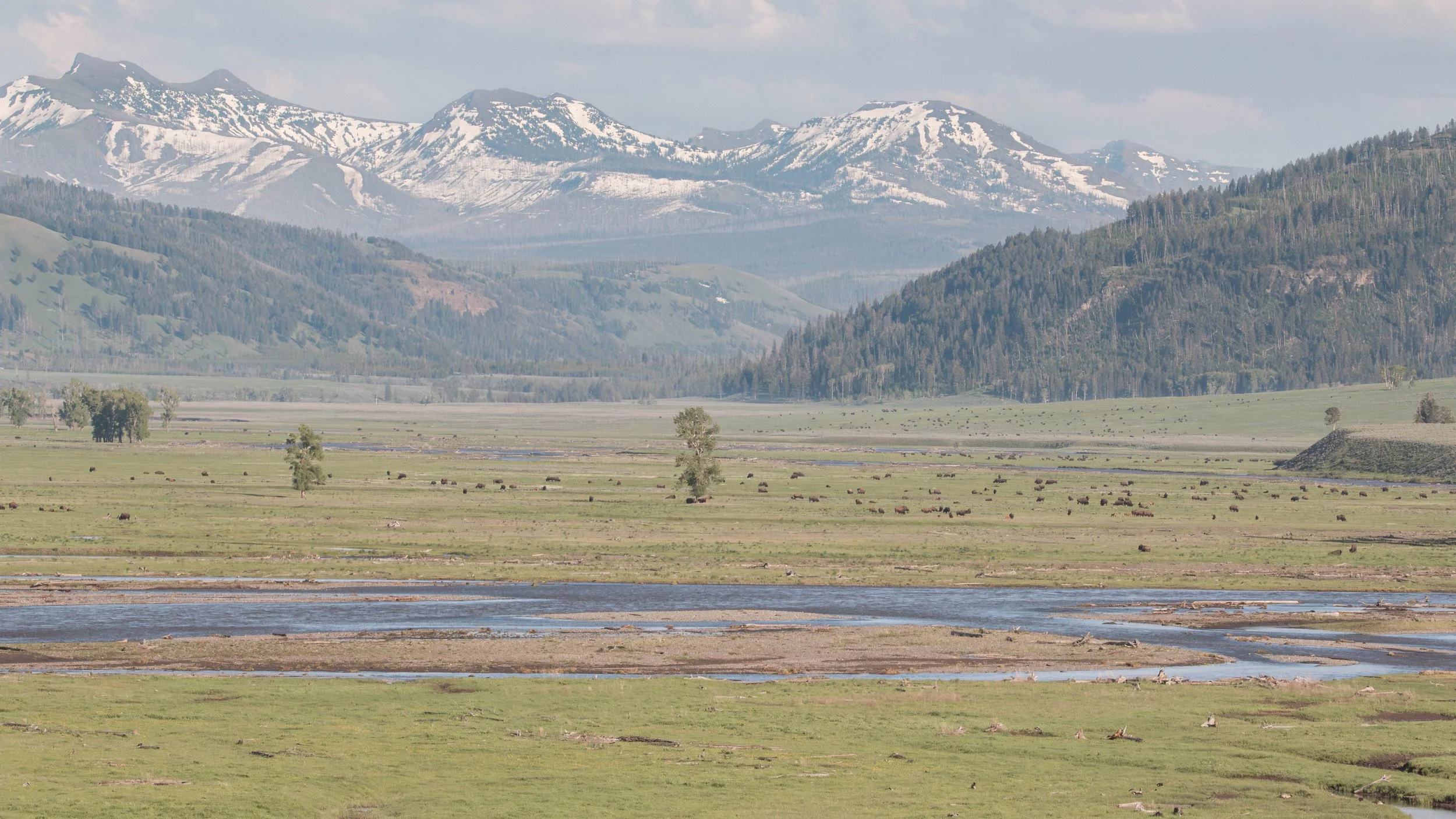
When the first reports reached the East, they were dismissed as exaggeration. A land of boiling earth, endless plains, and boundless horizons seemed too vast to be real.
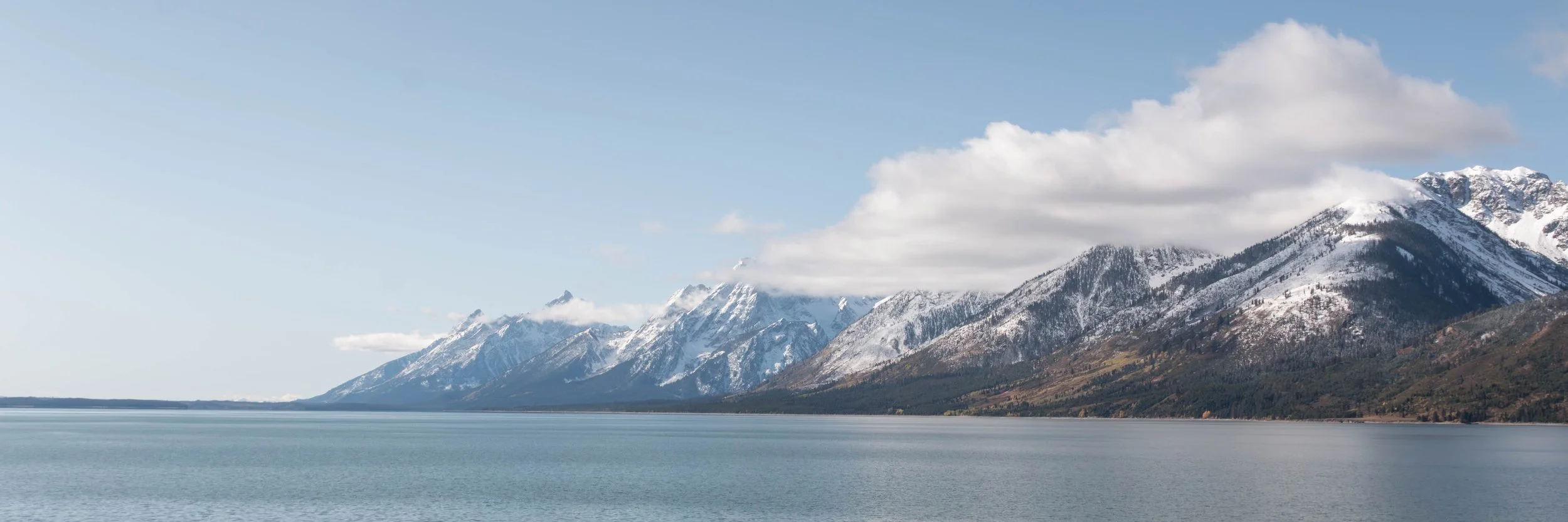
THOSE WHO BELONG
These animals are not placed into the landscape. They emerge from it, shaped by the same currents of time, weather, and terrain.
Fur, muscle, and instinct are answers to snow, distance, heat, and scarcity. Here, movement is not a matter of choice — it is adaptation made visible.
What lives here does not stand apart from the land. It is one of its many forms.
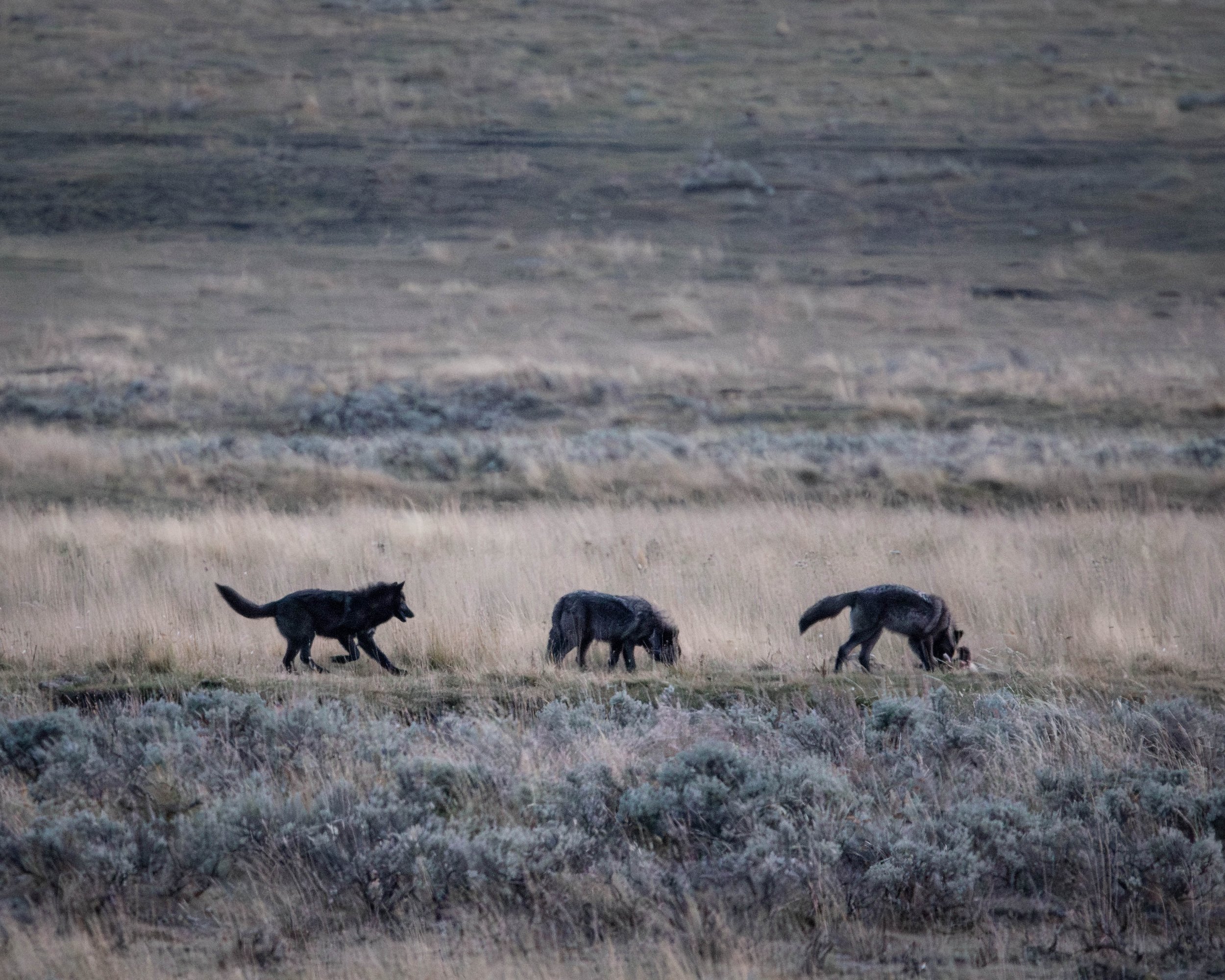
In 1995, the howl returned to Yellowstone.
For seventy years, silence had shaped the land.
With the wolves came movement — into the herds, into the rivers, into the balance of the valleys.
Predator and prey rewriting a story that had been paused, but never erased.
The Wolves of Yellowstone
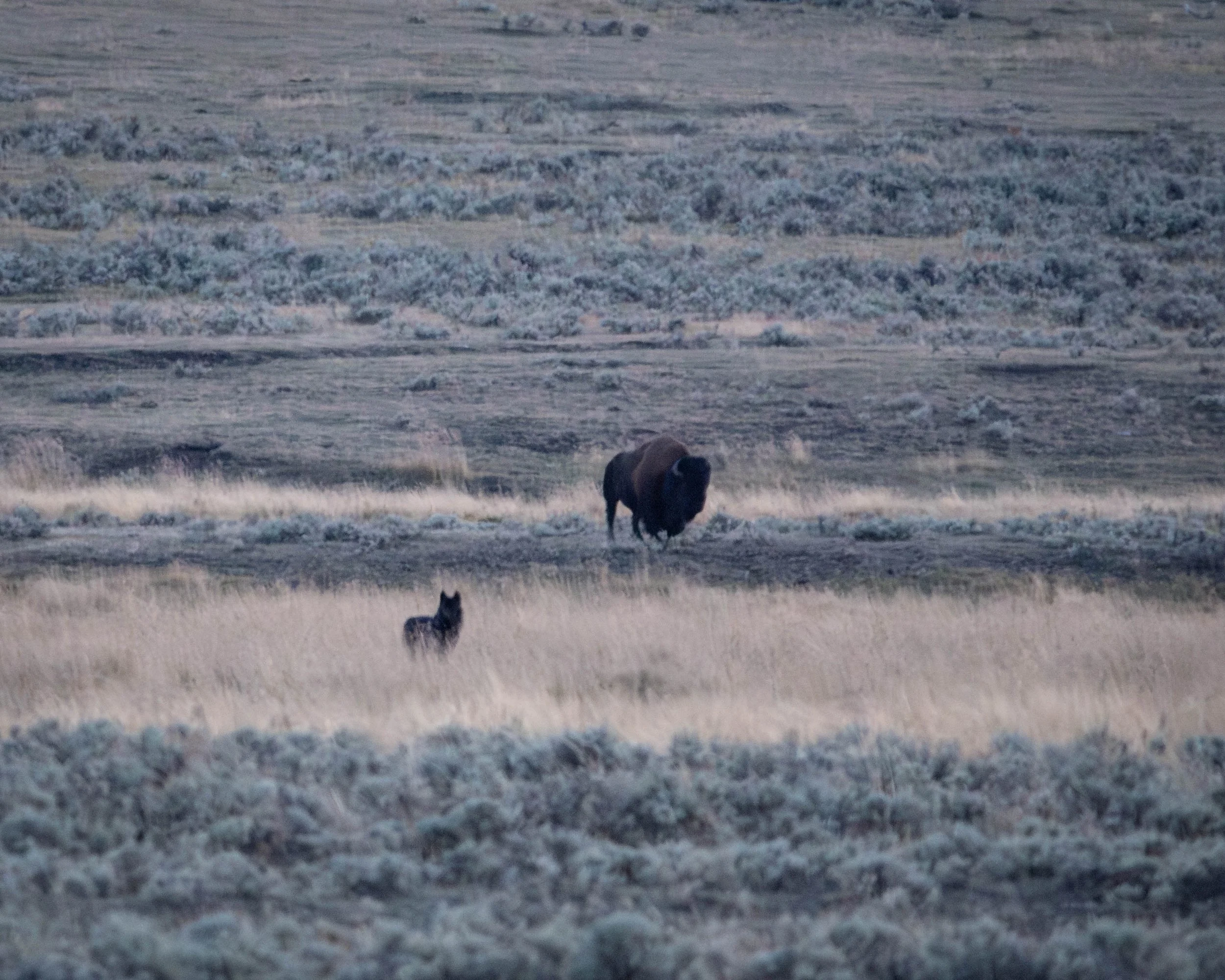
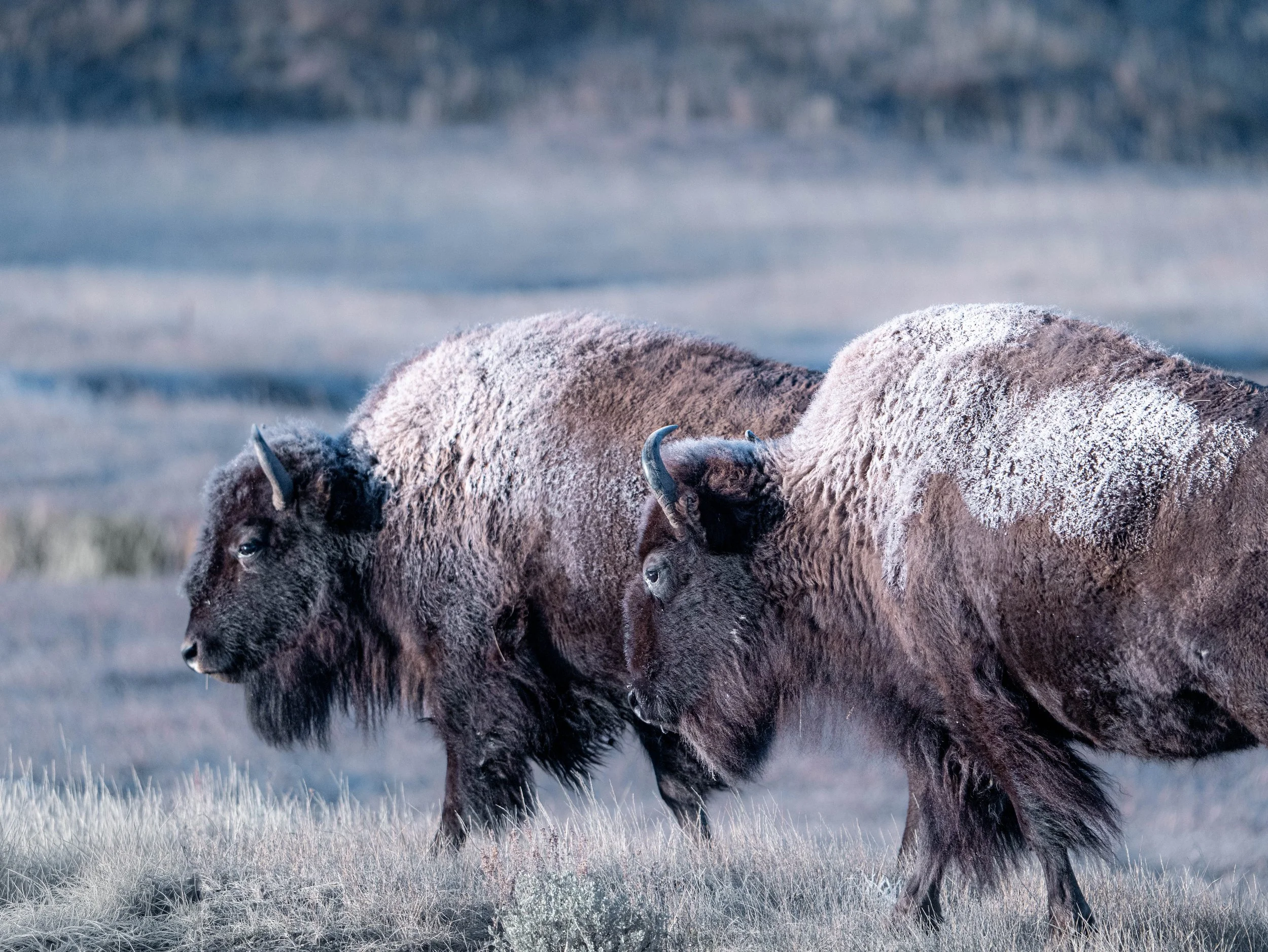
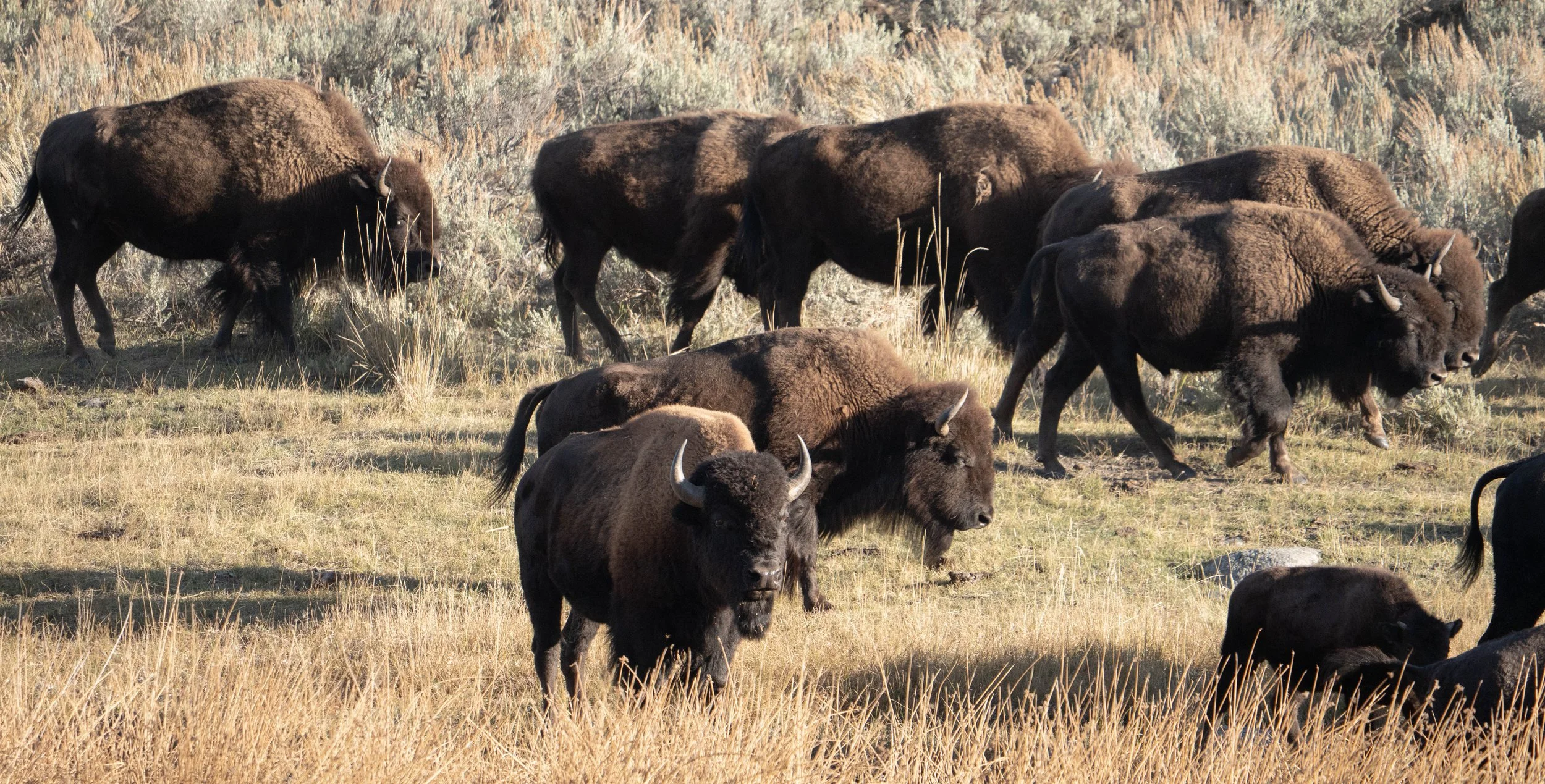
Once reduced to a few dozen animals, the bison became the first symbol of American wildlife conservation.
Yellowstone is not only their refuge — it is where their return began.
The American Bison
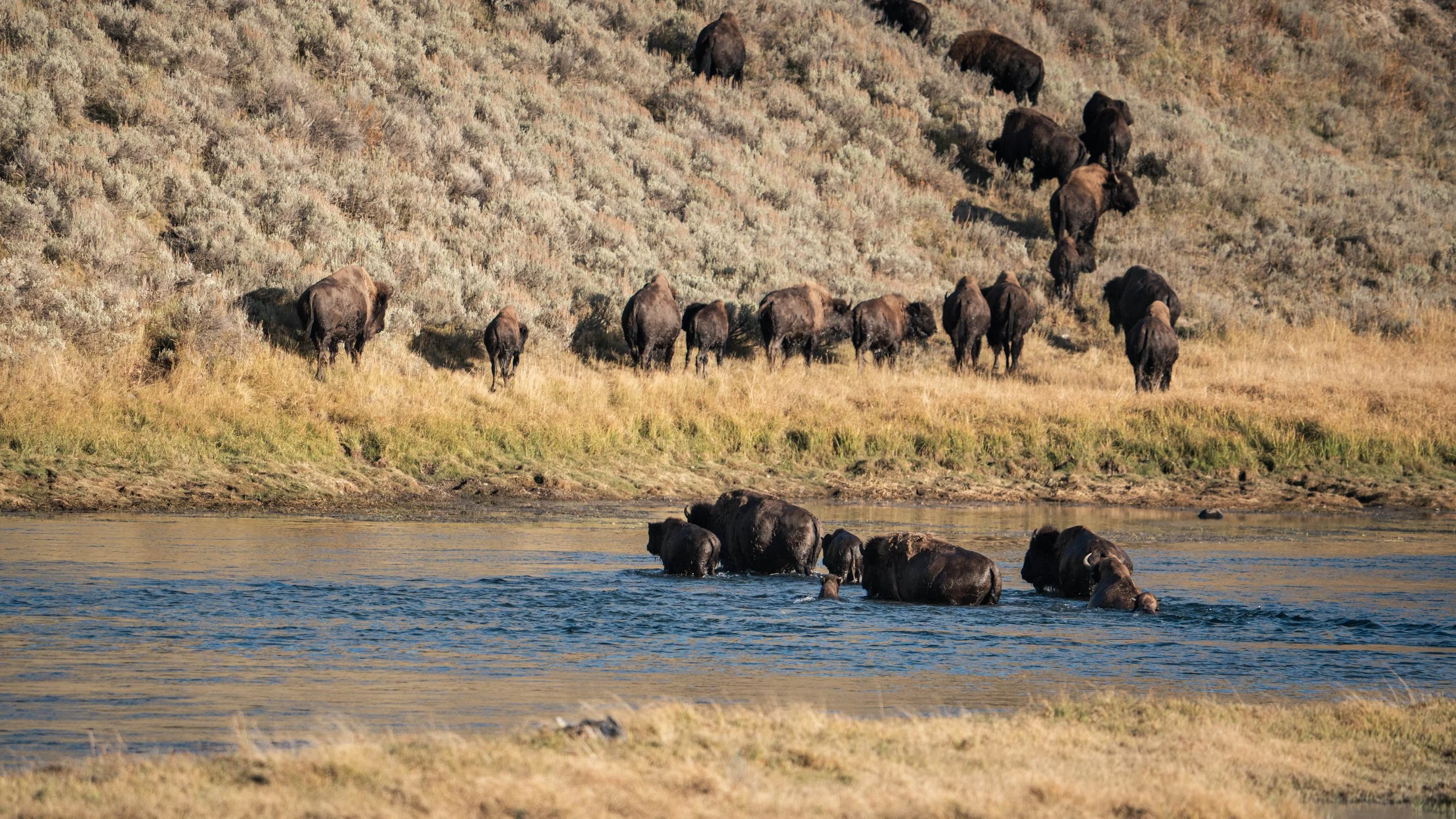
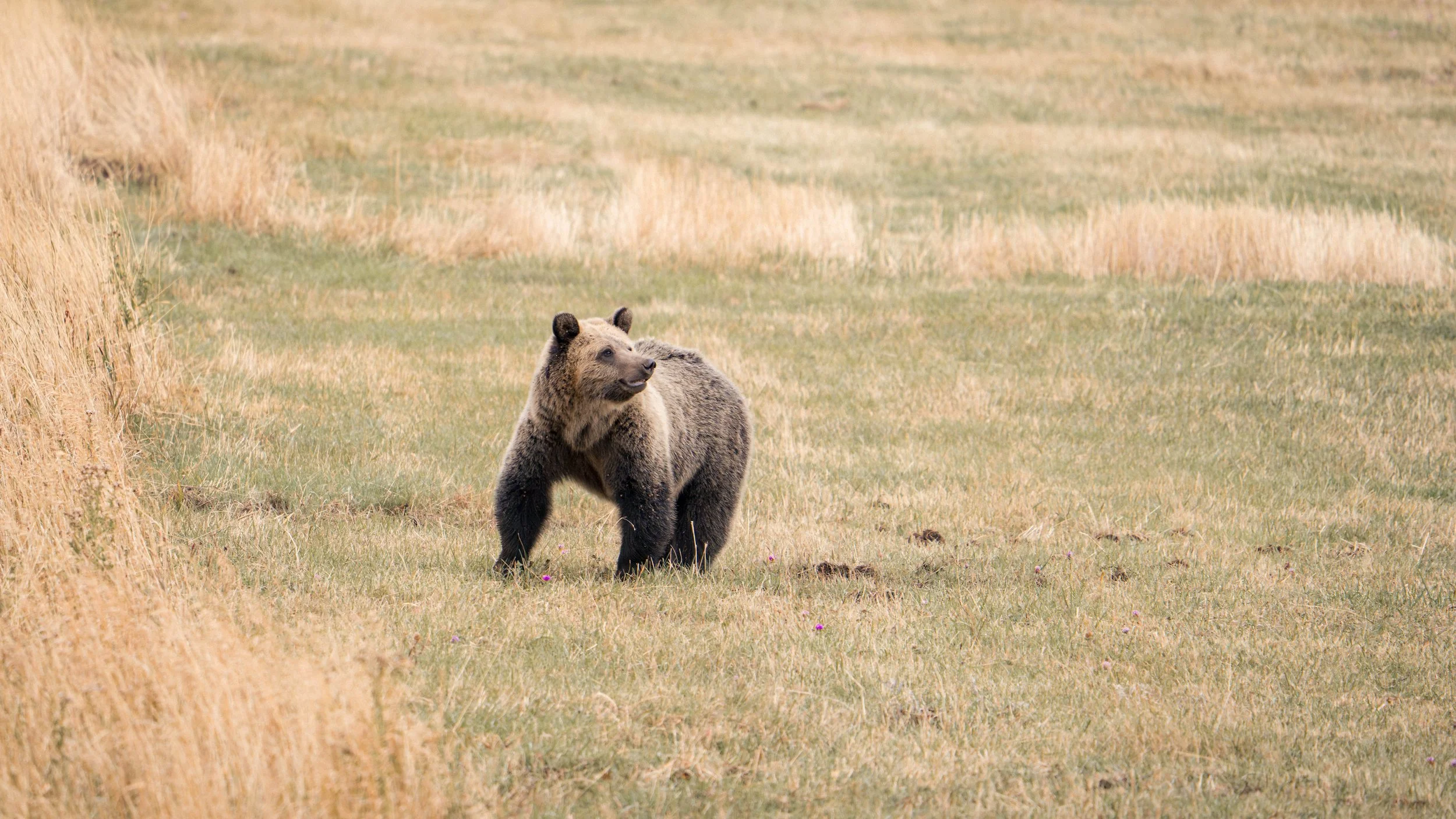
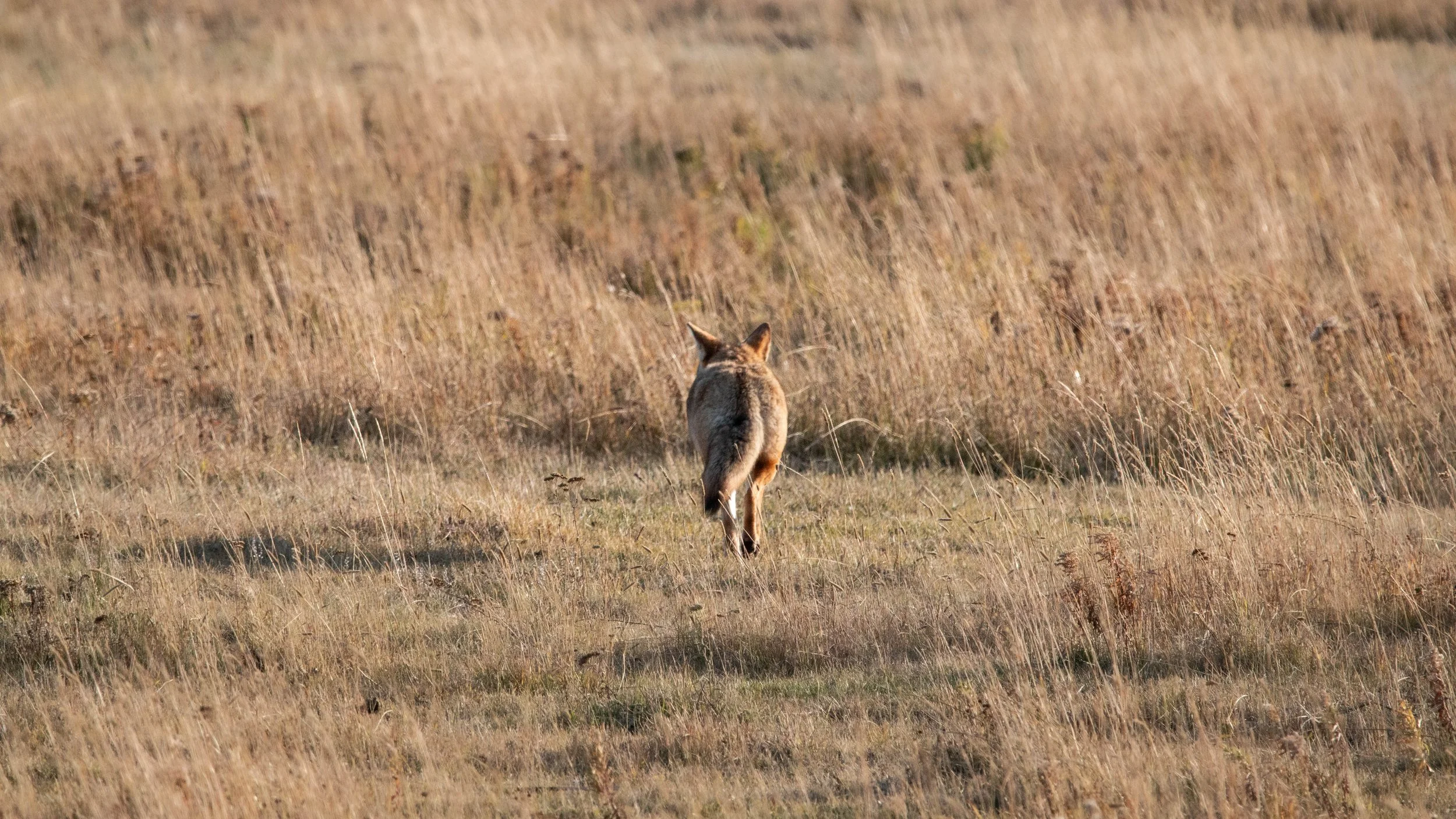
Beyond the movement of herds, the rhythm changes.
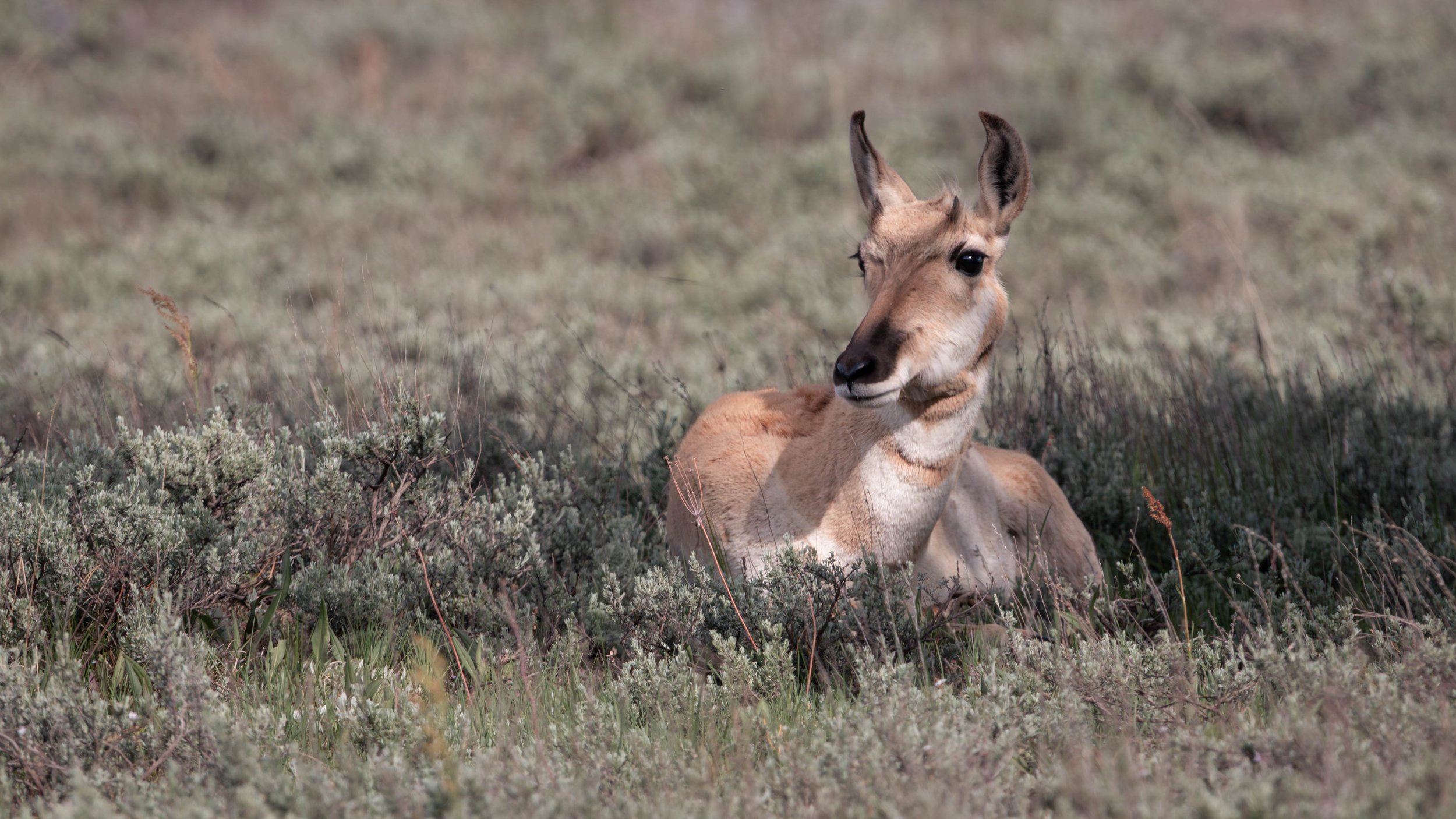
Here, life is carried by distance, attention, and sudden flight.
Some move alone. Some move unseen.
Not by dominance, but by precision.
In the wide plains and along their fragile edges, survival is not loud.
It is fast. It is quiet. It leaves almost no trace.
At the Edge of the Herd
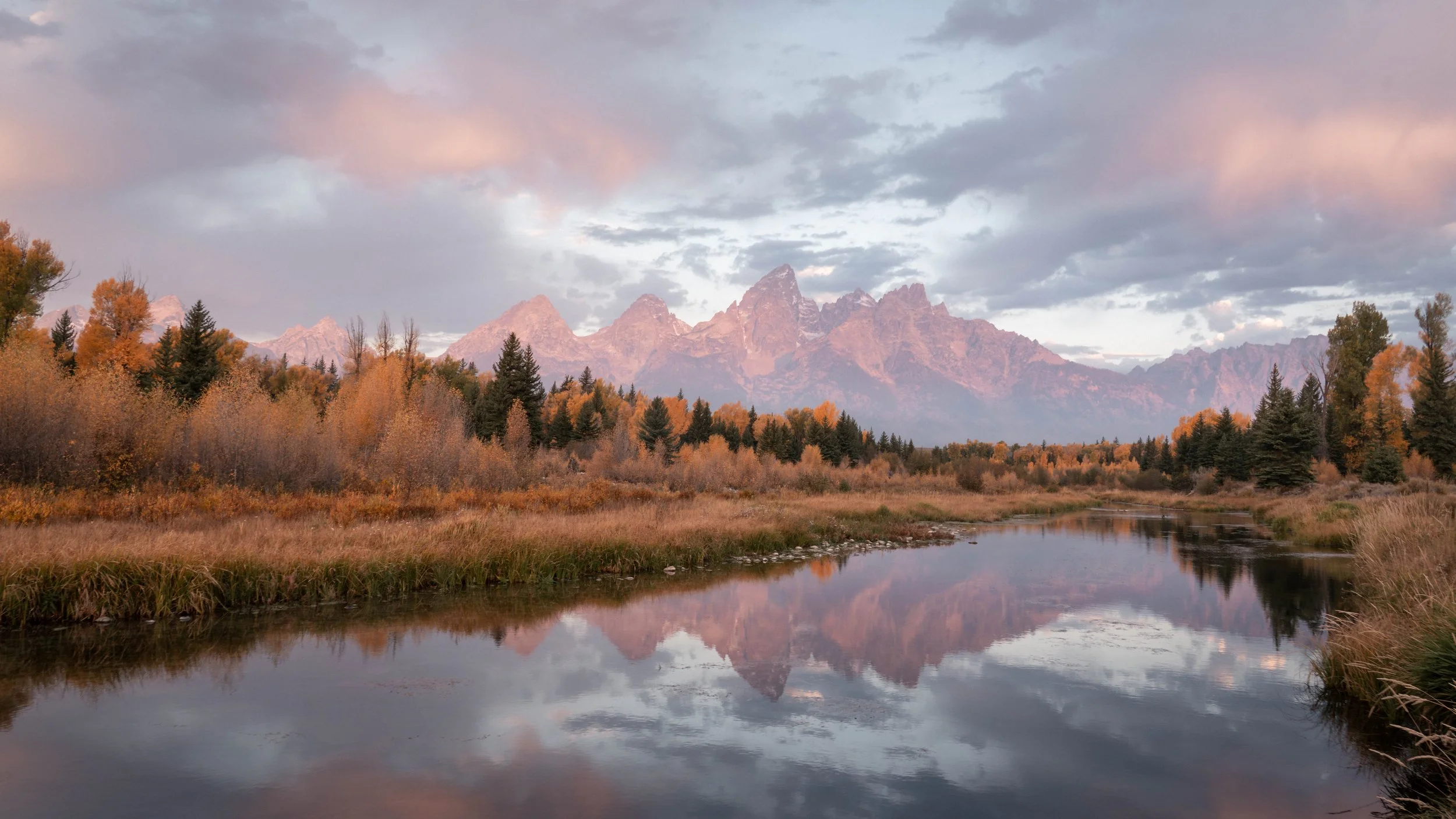
SEASON OF CHANGE
Nothing here stands still.
Light shifts. Water rises and withdraws.
Grass burns to gold, and returns in silence.
What seems like loss is only movement in another direction.
This land does not change for us —
we are only passing through its cycles.